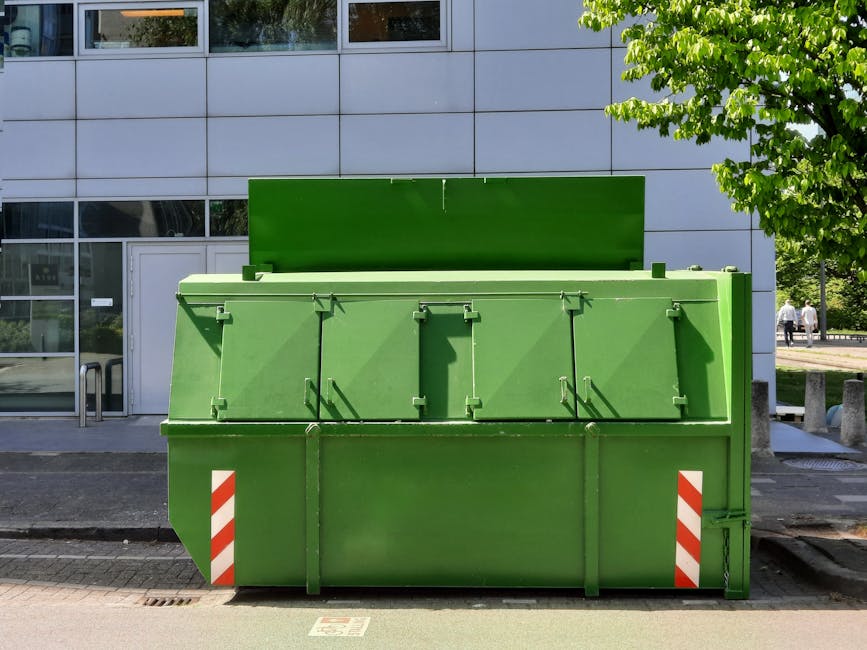
Eastcote Lane skip and rubbish clearance checklist
If you are planning a clear-out, a renovation, or a garden overhaul, an Eastcote Lane skip and rubbish clearance checklist can save you a lot of time, stress, and double-handling. Truth be told, waste jobs tend to look simple right up until the moment the bags start piling up, the driveway fills, and you realise the old sofa cannot just be left by the kerb.
This guide gives you a practical, local-minded checklist for skip hire and rubbish clearance around Eastcote Lane. It explains how the process works, what to prepare, what to avoid, and how to choose the right disposal method for your job. You will also find a comparison table, a real-world example, and a step-by-step checklist you can use before you book. Handy, really.
Whether you are clearing a loft, removing builders' waste, or sorting a one-off house clearance, the aim is the same: keep things legal, efficient, and as painless as possible. And yes, a little planning goes a long way.
Table of Contents
- Why Eastcote Lane skip and rubbish clearance checklist Matters
- How Eastcote Lane skip and rubbish clearance checklist Works
- Key Benefits and Practical Advantages
- Who This Is For and When It Makes Sense
- Step-by-Step Guidance
- Expert Tips for Better Results
- Common Mistakes to Avoid
- Tools, Resources and Recommendations
- Law, Compliance, Standards, or Best Practice
- Options, Methods, or Comparison Table
- Case Study or Real-World Example
- Practical Checklist
- Conclusion
- Frequently Asked Questions
Why Eastcote Lane skip and rubbish clearance checklist Matters
A good waste plan does more than remove junk. It keeps your project moving, helps you avoid accidental non-compliance, and makes sure you are not paying for avoidable mistakes. On a busy road or a tight residential street, that matters even more. Access, parking, neighbour impact, and collection timing all play a part.
In our experience, the people who struggle most are not the ones with too much waste. They are the ones who underestimated the volume, mixed the wrong materials together, or left booking until the last minute. Then the shed is half-demolished, the builder is waiting, and the whole job starts to feel messy. Not ideal.
A proper checklist gives you control. It helps you identify waste types, choose between a skip or direct clearance, and prepare the site so the job can be completed in one clean visit rather than two or three awkward ones. That is especially useful for households, landlords, tradespeople, and anyone juggling deadlines.
It also creates a better outcome for recycling and disposal. Waste firms can only sort materials properly if they arrive in the right condition. If you separate metal, wood, soil, rubble, general junk, and restricted items where possible, you make the whole process smoother. A small effort at the start often saves a surprising amount later.
For broader home or property projects, it can help to think of waste removal alongside the rest of your plans. If you are doing a refurbishment or end-of-tenancy clear-out, it may be worth looking at house clearance services as part of your decision-making rather than treating rubbish as an afterthought.
How Eastcote Lane skip and rubbish clearance checklist Works
The process is fairly straightforward once you break it down. First, you identify what needs to go. Then you decide whether a skip, a man and van clearance, or a mixed approach is the best fit. After that, you prepare access, book the service, load or hand over the waste, and make sure everything is removed legally.
There are two common models:
- Skip hire: a container is delivered, filled over a set period, and collected later.
- Rubbish clearance: a team removes the waste for you, often in one visit, which can suit heavier lifting or tighter timing.
Neither option is automatically better. It depends on the size of the job, whether you can fill a container yourself, and how quickly you need the waste gone. For example, if you are stripping a bathroom and generating debris daily, a skip can be practical. If you are clearing a house after moving, a clearance team may be the easier route.
One thing people sometimes overlook is sorting. A mixed pile of timber, old furniture, plasterboard, and garden waste may need different handling from a clean load of soil or rubble. That affects cost, recycling, and sometimes what can legally go in the container. So the checklist starts before the first item is lifted.
If you are planning work across multiple rooms or outbuildings, you may also want to coordinate with builders waste removal so the disposal method matches the type of waste your project will generate.
Key Benefits and Practical Advantages
The real benefit of a checklist is not just organisation. It is confidence. You know what you are dealing with, what needs booking, and what could cause delays. That matters when you have trades on site or when the family just wants the hallway clear again by Saturday afternoon.
- Fewer delays: the right container or collection service is arranged in advance.
- Less wasteful spending: you avoid paying for a larger solution than you need.
- Safer handling: heavy, sharp, or awkward items are planned for properly.
- Better sorting: recyclable materials are separated where practical.
- Cleaner site: access routes and loading areas are prepared before collection day.
There is also a mental benefit, which people rarely mention but absolutely feel. A cluttered space has a way of pressing on you. Once the waste is planned, it is easier to think clearly and keep momentum. You can almost hear the room breathe again, if that does not sound too dramatic.
From a practical point of view, a checklist helps you compare options more intelligently. Instead of asking only, "How much does it cost?", you can ask, "What is included, how quickly can it be done, what can I load, and what happens if the pile grows?" That is a much better conversation.
Who This Is For and When It Makes Sense
This checklist is useful for anyone with more waste than a normal bin collection can handle. That sounds obvious, but the situations vary quite a lot.
- Homeowners clearing lofts, garages, sheds, kitchens, or gardens.
- Landlords dealing with end-of-tenancy rubbish or bulky leftovers.
- Tradespeople needing site waste cleared without slowing a job down.
- Families doing a declutter before a move or renovation.
- Property managers coordinating larger clearance or refurbishment waste.
It also makes sense if the waste is awkward rather than just large. Think old mattresses, broken furniture, renovation rubble, damaged fencing, or damp cardboard that has been sitting in a corner far too long. A random pile can be more of a headache than a neat stack of boxes.
If you are unsure where your project fits, start by asking a simple question: will I be able to load this myself, safely and within the time I have? If the answer is no, a rubbish clearance service may be more suitable than a skip. If the answer is yes but the waste will build up gradually, skip hire might be better.
For smaller or more targeted jobs, it can help to look at garage clearance options or garden clearance support if that is where most of the clutter sits. Matching the service to the job usually keeps costs and hassle down.
Step-by-Step Guidance
Here is a practical way to work through the job without missing the important bits.
- Walk the site first. Make a quick inventory of what needs removing. Do not rely on memory. A look around with a notepad or phone camera is usually enough.
- Sort the waste into rough categories. For example: general household junk, wood, metal, rubble, green waste, furniture, electrical items, and anything hazardous or specialist.
- Estimate the volume honestly. People nearly always underestimate. A few "small piles" can become a full container once flattened and stacked.
- Check access. Measure gates, driveways, front paths, and any low branches or tight corners. If a large vehicle needs to turn or reverse, make sure it can do so safely.
- Decide between skip hire and clearance. If you can load waste over time, a skip may suit. If you need heavy lifting or a fast turnaround, choose collection support.
- Remove restricted items from the pile. Things such as paint, chemicals, gas cylinders, asbestos-containing materials, and certain electrical items may need special handling.
- Prepare the area. Put down boards if needed, protect paving, and keep the loading route clear. It sounds minor until you are carrying dusty rubble through the kitchen.
- Book with a realistic time window. Give yourself enough time for the actual clear-out. Rushed jobs tend to create mistakes, and nobody needs that on a Friday afternoon.
- Load safely and sensibly. Put heavy items low, break down bulky furniture, and do not overfill beyond safe levels. A neat load is easier to collect and usually more economical.
- Confirm what happens next. Ask how collection, sorting, and disposal will be handled. If recycling matters to you, clarify that in advance.
That is the basic flow. Simple enough on paper, of course. In real life, there is always one awkward item hiding at the back of the garage, but the structure still helps.
Expert Tips for Better Results
Little decisions make a big difference here. A few practical habits can improve the whole experience.
- Flatten whenever possible. Cardboard, boxes, and light furniture take up less room once broken down.
- Keep reusable items separate. If something can be donated, sold, or kept, remove it before the clearance begins.
- Put the heavy stuff first. This is safer and more efficient than stacking light items and trying to wedge rubble around them later.
- Label special waste. If the pile includes paint tins, batteries, or mixed electricals, make that obvious early.
- Think about timing. A collection the day before a builder starts is better than trying to clear the space after work begins.
One useful trick is to make a three-pile system: keep, remove, unsure. That "unsure" pile can be reviewed at the end, which avoids throwing away useful things in a rush. We have seen people rediscover warranties, spare fixtures, and even old keys this way. Slightly mundane, yes, but still useful.
If your job is likely to produce a lot of mixed material, it may help to speak with a provider that handles waste removal across different item types rather than assuming one container will suit everything. The better the match, the fewer surprises.
Also, leave a bit of breathing room. Most clear-outs expand as you go. Once a cupboard is opened, a box is found, and the roof space is checked, the pile often grows. Funny how that happens.
Common Mistakes to Avoid
Most waste jobs go wrong in the same few ways. The good news is that they are easy to avoid once you know what to watch for.
- Booking too late: if access is limited or the job is time-sensitive, waiting can create delays.
- Guessing the volume: underestimating waste often leads to an overloaded plan or extra cost.
- Mixing unsuitable items: certain materials need separate handling.
- Ignoring access issues: a perfectly good skip is useless if the vehicle cannot reach the drop-off point.
- Forgetting local constraints: parking, neighbours, and street width all matter on busy residential roads.
- Leaving it all to the last minute: clear-outs expand, and so does stress, usually at the same time.
Another common slip is assuming every service works the same way. It does not. Some services are ideal for full-property clearances, while others suit ongoing trade waste. A quick conversation before booking can prevent a lot of backtracking later.
And this one sounds basic, but it happens often: people forget to check what will not be taken. That is how a tidy plan turns into a partially completed job with one stubborn pile still sitting there. Annoying, and avoidable.
Tools, Resources and Recommendations
You do not need specialist equipment for most domestic clear-outs, but a few items make life easier.
- Gloves: sturdy enough for sharp edges, nails, and rough timber.
- Dust masks: useful for lofts, attics, dusty garages, and old insulation areas.
- Wheelbarrow or sack truck: helpful if items need moving from the back garden or rear alley.
- Boxes and bags: good for sorting loose items before collection.
- Measuring tape: simple but helpful when checking access and item size.
- Marker pen: for labelling loads, especially if multiple people are helping.
For larger jobs, a short written plan can be more useful than a spreadsheet. Keep it simple: what is going, where it is located, who is moving it, and when it needs to be gone. A phone note is enough for many households. No need to turn rubbish removal into a project management seminar.
If you need support with a fuller property clear-out, you may also want to review single item collection for isolated bulky items or rubbish removal services where the waste is more varied and less predictable.
Law, Compliance, Standards, or Best Practice
Waste disposal in the UK is one of those areas where a little caution goes a long way. You do not need to be a compliance expert, but you should use a service that handles waste responsibly and follows accepted legal duties. If you are the person arranging removal, it is wise to know what is in the load and where it is going.
A few points matter in practice:
- Duty of care: waste should be transferred to a legitimate carrier and handled responsibly.
- Restricted materials: some items need special treatment or separate arrangements.
- Fly-tipping risk: using the wrong operator can create trouble that is expensive and stressful to sort out.
- Site safety: heavy lifting, sharp items, and broken materials should be managed properly.
If a skip is being placed on public land, there may be local permission or permit requirements depending on the location and arrangement. That is one of those details best confirmed before the delivery arrives, not after. If the skip is going on private property, the process may be simpler, but access and safety still matter.
For UK householders, best practice is usually straightforward: separate what you can, avoid prohibited materials, keep records or confirmations where appropriate, and choose a provider who can explain where the waste goes. Clear answers are a good sign. Vague ones are not.
When asbestos, chemicals, or electrical waste is involved, treat the job more carefully. Those items are not the sort of thing to "just chuck in with the rest." If in doubt, pause and ask. That pause can save a lot of trouble.
Options, Methods, or Comparison Table
Choosing the right disposal method depends on how much waste you have, how quickly it needs to go, and whether you can do the loading yourself. Here is a practical comparison.
| Method | Best for | Advantages | Things to watch |
|---|---|---|---|
| Skip hire | Ongoing clear-outs, renovation waste, larger volumes | Flexible loading, good for staged projects, simple if access is easy | Needs space, may require permits, you load it yourself |
| Rubbish clearance | Fast removals, heavy items, jobs where lifting is difficult | No loading for you, usually quicker, good for bulky clutter | Collection times may be less flexible, pricing can depend on exact load |
| Single item pickup | One bulky object such as a mattress or sofa | Simple, targeted, often the least disruptive option | Not ideal if the pile keeps growing or if there are many item types |
If you are working through a house, a mixed approach sometimes works best: one service for bulky items, another for the lighter general clutter. That is not overcomplicating it; that is just matching the method to the mess.
Case Study or Real-World Example
Consider a typical Eastcote Lane clear-out after a small kitchen refit and garden tidy-up. The household has broken cupboards, a few bags of old tiles, a dismantled table, hedge cuttings, and two unwanted chairs. Nothing dramatic, but the pile is awkward and growing by the day.
At first, the owners think a single skip will cover everything. After a walk-through, they realise access is tighter than expected and the waste is a mix of heavy rubble and lighter household items. Instead of guessing, they sort the load, separate what can be flattened, and identify a couple of items that need different treatment. The plan changes slightly, but that is fine. Better a small adjustment than a collection day full of surprises.
They also clear the front path, move parked cars, and protect a narrow section of paving. That sounds minor, but it helps the team work faster and reduces the chance of damage. By the time the job is finished, the driveway is clear, the garden looks bigger, and the clutter has stopped hanging over the week like a low cloud. Simple result, really, but a good one.
This is the sort of situation where a checklist proves its value. Not because the job is difficult in a dramatic sense, but because waste jobs have plenty of small moving parts. Get the small things right, and the rest usually behaves itself.
Practical Checklist
Use this checklist before you book or start loading. It is short, but it catches the essentials.
- Identify the waste: household junk, furniture, garden waste, rubble, wood, metal, or mixed items.
- Estimate the amount: count bags, large pieces, and bulky items rather than guessing.
- Check access: door width, path width, turning space, overhead obstacles, and parking.
- Decide the service type: skip hire, rubbish clearance, or single-item collection.
- Separate restricted items: paint, batteries, chemicals, gas cylinders, and specialist waste.
- Sort recyclable materials: wood, metal, cardboard, green waste, and clean rubble where practical.
- Protect the property: boards, covers, and clear loading routes can prevent avoidable scuffs.
- Confirm timing: ensure collection or delivery fits around the rest of the project.
- Ask what is included: labour, loading, disposal, collection, and any additional charges.
- Keep the site safe: remove trip hazards, sharp offcuts, and unstable stacks before work begins.
Expert summary: the best waste plan is rarely the fanciest one. It is the one that matches your access, your volume, your timescale, and the type of rubbish you actually have. Keep it simple, but not careless.
Before you finish, it can be worth checking related support pages if your job is part of a bigger clean-up. For example, a household emptying project may benefit from furniture disposal or, where the focus is mostly on interior clutter, attic clearance. Matching the service to the area of the property often keeps the job neat and manageable.
Conclusion
An Eastcote Lane skip and rubbish clearance checklist is really about control. It helps you choose the right method, avoid awkward surprises, and keep your project moving without unnecessary stress. The best results usually come from a calm walk-through, a realistic estimate of the waste, and a clear idea of what can be handled safely and legally.
Whether you are clearing a garage, managing renovation debris, or sorting a full house load, a little structure makes the whole process easier. And if the job feels a bit larger than expected, that is normal. Happens all the time. The important thing is to start with a sensible plan and stay flexible as the pile reveals itself.
If you are ready to tidy up, reclaim space, and get the job done without the guesswork, now is a good time to take the next step.
Get a free quote today and see how much you can save.
Sometimes the simplest clear-outs are the most satisfying. A few smart decisions now can leave you with a cleaner space and a much lighter head tomorrow.
Frequently Asked Questions
What is an Eastcote Lane skip and rubbish clearance checklist?
It is a practical planning guide for organising waste removal, whether you are hiring a skip or booking a clearance team. It helps you sort waste, check access, and avoid common mistakes before collection day.
Should I choose skip hire or rubbish clearance?
Choose skip hire if you can load waste yourself over time and have space for delivery. Choose rubbish clearance if you want the lifting done for you or need a quicker one-off removal. The right choice depends on your waste type, access, and schedule.
How do I know how much waste I have?
Walk through the area and count bags, large items, and piles rather than estimating by eye alone. If you are between sizes, it is usually safer to describe the job in detail and ask for advice before booking.
What items are commonly not suitable for a standard skip?
Items such as paint, chemicals, gas cylinders, asbestos-containing materials, and some electrical waste may need separate arrangements. Always check before mixing unusual items into the load.
Can I put garden waste and household rubbish together?
Sometimes yes, but mixed loads can affect how the waste is processed and priced. If you can separate green waste from general household rubbish, that often makes the job easier and cleaner.
Do I need special permission for a skip?
If the skip goes on private property, the process is usually simpler. If it needs to sit on a public road or other public space, permission or a permit may be required depending on the location and arrangement. It is best to confirm this before delivery.
How can I make rubbish clearance faster?
Sort items in advance, remove anything you want to keep, and clear access paths so the team can move safely. A little preparation often cuts time and stress more than people expect.
What is the best way to prepare for a house clearance?
Start room by room, separate valuables and documents, and identify any items that need special handling. If the property is full or the timeline is tight, a professional clearance approach may save more time than trying to do it in stages yourself.
Is it cheaper to do the loading myself?
Often yes, but not always once you factor in time, lifting effort, and the risk of needing extra help. A skip can be more economical for staged projects, while a clearance service may be better value for bulky or heavy waste.
What should I ask before booking a waste service?
Ask what is included, what cannot be taken, how access affects the job, and whether disposal and labour are part of the price. Clear answers upfront tend to mean fewer surprises later.
Can I combine a garage clearance with other rubbish removal?
Yes, and that is often a sensible way to reduce multiple bookings. If the waste is mixed, it helps to mention that early so the provider can suggest the best method.
How do I avoid overpaying for disposal?
Be honest about the volume, separate reusable or recyclable items where possible, and choose the method that matches the job rather than defaulting to the biggest option. A few minutes of planning can prevent paying for capacity you do not need.