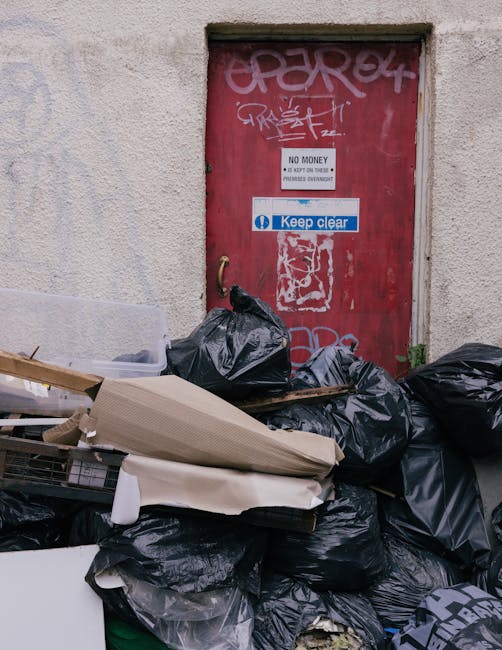
Avoid hidden rubbish removal charges in Pinner

If you have ever booked a clearance and then felt that sinking feeling when the final bill arrived, you are not alone. Hidden fees can turn a simple rubbish removal job into a frustrating, expensive mess. In Pinner, where homes, flats, gardens, garages, lofts, and small businesses all create different kinds of waste, the safest approach is to know exactly what you are paying for before anyone lifts a bag.
This guide explains how to avoid hidden rubbish removal charges in Pinner, what should be included in a fair quote, where surprise costs usually appear, and how to compare providers without getting lost in jargon. We will keep it practical, local, and straight to the point. No fluff. Just the stuff that helps you make a calmer, better decision.
Whether you are clearing one sofa, a full house, or building waste after a renovation, the same rule applies: clear pricing beats clever wording every time.
Why Avoid hidden rubbish removal charges in Pinner Matters
Rubbish removal often looks simple from the outside. A van turns up, the waste goes in, and the job is done. But the real price can change fast if the quote was vague. A fee for heavy lifting. An extra charge for stairs. A surcharge for mixed waste. A disposal cost for mattresses. A waiting-time charge because access was awkward. Before you know it, the total is miles away from the figure you first accepted.
That is why hidden rubbish removal charges in Pinner matter so much. Most people are not trying to find the cheapest possible service at any cost. They want certainty. They want to know the final number will stay close to the original estimate. And they want the company to be honest about what is and is not included.
Truth be told, surprise charges are rarely about the waste itself. They usually appear because the job was described too loosely. A "small clearance" can mean very different things to different people. One person imagines two bin bags; another imagines a garage piled to the rafters. That gap creates confusion, and confusion is where extra costs creep in.
In a place like Pinner, where properties range from compact flats to larger family homes and older buildings with narrow access, clarity matters even more. If the crew has to carry items down tight stairs, park further away, or sort mixed materials on site, the quote needs to reflect that before the work begins.
Key takeaway: the best way to avoid hidden rubbish removal charges in Pinner is to get a clear written quote, describe the waste accurately, and confirm what the price includes before booking.
How Avoid hidden rubbish removal charges in Pinner Works
A reliable rubbish removal quote is usually based on a few simple factors. The more accurately you understand those factors, the easier it is to spot a fair price.
1. The volume of waste
This is the most obvious one. How much space will the rubbish take up in the vehicle? A small load and a nearly full van are not the same thing, and a quote should reflect that. Some firms price by load size, others by item count, and some use a mix of both. None of these methods is automatically wrong. The issue is whether the company explains it clearly.
2. The type of waste
General household rubbish, old furniture, garden waste, builders waste, and electrical items can all require different handling. For example, a pile of broken tiles from a renovation is a different job from clearing a few old chairs. If you are booking builders waste clearance or a more mixed waste removal service, ask whether the price changes for rubble, plasterboard, soil, or heavy material.
3. Access and labour
Stairs, long carry distances, restricted parking, basement access, and attic work can all affect labour time. If the quote assumes easy ground-floor access but the real job involves three flights of stairs and a long walk from the van, extra costs may be added. That does not mean the company is being unfair; it means the initial description was incomplete.
4. Disposal and recycling costs
Any legitimate clearance company has disposal costs somewhere in the model. These costs can vary depending on how the waste must be sorted and processed. If the company also talks clearly about recycling, that is often a good sign, especially if you are checking their approach to recycling and sustainability.
5. Specialist handling
Some items may require special care, such as bulky furniture, sharp materials, or fragile items mixed into the load. Services like furniture disposal or furniture clearance can be straightforward, but the company should still clarify whether dismantling, moving, or protective handling is part of the price.
The core idea is simple: hidden charges usually show up where the job description is fuzzy. The cleaner the brief, the cleaner the invoice.
Key Benefits and Practical Advantages
When you take a careful approach to rubbish removal pricing, you are not just protecting your wallet. You are making the whole job smoother. A clear quote reduces stress, saves time, and helps you compare companies on service rather than sales talk.
- Better budgeting: You know the likely final cost before the team arrives.
- Fewer disputes: Clear expectations reduce awkward conversations at the door.
- Faster decisions: Once the quote is understandable, comparing providers becomes much easier.
- Better service match: A provider that asks questions is more likely to understand your actual needs.
- Less waste of time: Nobody enjoys renegotiating halfway through a clearance. Nobody.
There is also a trust benefit that people often overlook. A company that explains pricing well tends to explain the rest of the job well too. That includes what can be taken, what needs separating, whether the crew can help with dismantling, and how items will be handled on site. It is a small thing, but it usually tells you a lot.
If you are comparing wider property clearance options, it can help to look at the full service picture rather than just the headline price. For example, a home clearance or house clearance may include more sorting, packing, and removal than a simple single-load job, so the quote should reflect the actual scope.
Who This Is For and When It Makes Sense
Almost anyone arranging waste collection in Pinner can benefit from checking the price structure carefully, but it matters most in a few common situations.
Homeowners clearing out clutter
If you are clearing an attic, garage, spare room, or shed, the job often looks smaller than it really is. A few boxes turn into three car boots worth of mixed waste. The quote should account for that. If you are dealing with a packed storage area, services such as garage clearance or loft clearance may be more suitable than a simple one-off collection.
Renters moving out
In flats and shared homes, timing can be tight. You may need the waste gone quickly, and there is often a strong temptation to accept the first quote that sounds convenient. That is exactly when hidden costs can slip through. If you live in a smaller property, a flat clearance service may be relevant, but only if the access and waste type have been described properly.
Landlords and letting agents
End-of-tenancy clearances can include furniture, bagged rubbish, old appliances, and odds and ends left behind. The pricing needs to cover the real mixture, not just the first visible pile near the front door.
Businesses and offices
For commercial spaces, cost surprises are especially annoying because they disrupt planning. If you need business waste removal or office clearance, ask whether the quote includes loading time, stair carries, out-of-hours access, and any paperwork or segregation required for different waste streams.
DIY renovators and tradespeople
Renovation waste can be unpredictable. One skipped wall socket, one pile of broken plasterboard, or one extra load of rubble can change the job. If that sounds familiar, a builders waste clearance quote should be broken down enough that you know what is covered and what is not.
Garden and outdoor jobs
Green waste is often lighter than builders waste, but it can still be bulky. Damp branches, soil, turf, and fencing panels all take up space quickly. For that kind of job, garden clearance is usually the better fit, provided the pricing explains whether heavy or mixed loads change the final total.
Step-by-Step Guidance
Here is a simple process you can follow to reduce the chance of paying more than you expected. It works whether you are clearing one room or a whole property.
- List everything that needs removing. Include awkward items, not just the obvious ones. A broken wardrobe, a mattress, some paint tins, old tiles, garden rubble, and loose bags all count.
- Take clear photos. Wide-angle shots help more than close-ups. If there are stairs or access issues, photograph those too.
- Describe the access honestly. Mention top floors, tight corridors, parking limits, and long carry distances. It avoids awkward surprises later.
- Ask what the quote includes. Does it cover labour, loading, disposal, recycling, and VAT if applicable? If any part is unclear, ask again.
- Check for add-ons. Ask specifically about extra charges for heavy items, special waste, dismantling, or waiting time.
- Request a written quote. Not a vague message. A clear written estimate is easier to compare and far easier to challenge if needed.
- Confirm the booking details. Time, address, access notes, waste type, and the agreed price should all line up before the crew arrives.
- Review the final invoice before paying. If anything has changed, ask why. Good companies can explain it. Bad ones tend to rush you. Funny how that works.
If you are arranging a larger clear-out, it can also help to read a provider's pricing page carefully. A page like pricing and quotes should ideally tell you how the company handles estimates, site visits, and any circumstances that may change the price.
Expert Tips for Better Results
Here are the small details that make a big difference. Most people do not think about these until the day of the job, which is a bit late, to be fair.
- Be specific about item types. "Old stuff" is too vague. Say whether it is furniture, rubbish bags, garden waste, or construction debris.
- Don't understate the volume. People often do this to keep the quote down, then end up paying more anyway.
- Ask about difficult items early. Mattresses, large wardrobes, white goods, and rubble can change the handling time.
- Use photos from different angles. One shot rarely tells the whole story, especially in a packed loft or shed.
- Check whether parking restrictions matter. In some parts of London, access and loading can make a real difference.
- Keep the job tidy before the team arrives. If the crew can work quickly, the chance of extra labour charges usually falls.
- Look for plain-English explanations. If the pricing is impossible to understand, that is a red flag in itself.
One useful habit is to compare not only the price but also the tone of the conversation. Do they answer your questions properly? Do they explain what happens if the pile is larger on the day? Do they mention exclusions before you have to ask? These are small signals, but they matter. A lot.
If your clearance has a furniture angle, you may also want to check whether the company separates collection and disposal clearly. For instance, the wording around furniture disposal can reveal whether dismantling, carrying, and loading are built into the price or treated as extras.
Common Mistakes to Avoid
Most hidden charges are avoidable. The trick is knowing the usual traps before you book.
Accepting a price that sounds too neat
Very low headline prices can be tempting, but they sometimes leave out the things that matter most. If one quote is far cheaper than the others, ask what it does not include. Cheap can become expensive rather quickly.
Not mentioning access problems
If the waste is on the third floor and there is no lift, say so. If the van cannot park outside the property, say so. If the job involves carrying items across a shared courtyard, say so. These things are not annoyances to a decent company. They are basic planning details.
Forgetting about mixed waste
Mixed loads can cost more than single-category waste because they need more sorting. Garden waste mixed with old household junk is not the same as a neat pile of hedge trimmings.
Assuming all quotes are fixed
Some quotes are estimates rather than guaranteed fixed prices. That is not automatically unfair, but the terms need to be crystal clear. If a provider can change the price on arrival, you should know exactly why and under what conditions.
Ignoring the small print
This is where people usually get caught. Waiting time, item restrictions, missed access, or additional disposal needs may all be tucked away in the terms. A two-minute read can save you a surprisingly awkward afternoon.
Tools, Resources and Recommendations
You do not need fancy tools to avoid hidden rubbish removal charges in Pinner. A few simple habits will do most of the work.
- Phone photos: Use them to document the waste clearly before the collection.
- Room-by-room list: This helps you avoid forgetting items in a loft, cupboard, or shed.
- Simple comparison notes: Keep a side-by-side list of what each quote includes.
- Measurement by rough volume: Estimate whether the waste is a small, medium, or large load so you can speak more clearly about the job.
- Written confirmation: Save the quote and booking details in case you need to refer back to them.
There are also a few website pages that can help you assess a provider's professionalism before booking. A clear about us page can help you understand who you are dealing with, while insurance and safety is useful if the job involves stairs, heavy lifting, or shared access areas. If payment security is on your mind, a page like payment and security can be reassuring too.
And yes, it sounds boring to check these things. But boring is often where the savings live.
Law, Compliance, Standards, or Best Practice
When rubbish is removed from a property, the company should handle it responsibly and in line with normal UK waste practices. You do not need to become a compliance expert, but it helps to know the broad expectations.
For domestic and commercial waste alike, a trustworthy provider should be able to explain how it handles disposal, sorting, and recycling. If the job includes business premises, there may also be extra care around segregation and access. Where waste is potentially hazardous, the company should be especially careful about handling and should clearly state whether it can take the material.
From a best-practice point of view, look for these signs:
- clear written quotes
- simple terms about what is included
- honest discussion of access and load size
- transparent treatment of special items
- responsible disposal and recycling language
If you are booking clearance for a home, flat, garden, or office, the same rule applies: the company should be able to explain the process in plain English. That is often the best sign you will not get stung by a surprise line item later.
For additional confidence, you can also review relevant policy pages such as terms and conditions and complaints procedure. You may never need them, which is the ideal, but it is better to know they exist. Little detail, big peace of mind.
Options, Methods, or Comparison Table
There are usually a few ways to arrange waste removal. The right one depends on how much you need moved, how quickly you need it done, and how much clarity you want on price.
| Method | Best for | Pros | Risk of hidden charges |
|---|---|---|---|
| Single-item collection | One bulky item or a few matching items | Simple, quick, often easy to budget | Lower if access and item type are clear |
| Load-based clearance | Mixed rubbish or medium-sized clearances | Flexible and practical for many homes | Medium if the load size is described badly |
| Room or property clearance | House, flat, loft, or garage clear-outs | Good for larger or more complex jobs | Medium to higher if exclusions are vague |
| Specialist waste removal | Builders waste, business waste, or heavy waste | Better suited to tricky material or larger volume | Can be higher if special handling is not discussed |
If you are unsure which route is right for you, the simplest move is to describe the job fully and ask the company to recommend the best service. That is usually better than guessing.
Case Study or Real-World Example
Here is a realistic example. A homeowner in Pinner is clearing a small spare room after a move. At first glance, it looks like "just a few things": a broken chest of drawers, two black bags, an old desk chair, some cardboard, and a bedside table. A quick quote arrives, based on the description alone.
On the day, the team finds that the spare room also contains a dismantled wardrobe, several heavy books, an additional mattress, and a narrow staircase leading from the top floor. The original estimate was not wildly wrong, but it was incomplete. The final cost increases because the load is larger and the access takes longer than expected.
Could that extra cost have been avoided? Quite possibly. A couple of wider photos, a full item list, and a note about the stairs would have made the original quote far more accurate. No drama, no frustration, no back-and-forth at the door.
We see this sort of thing a lot with lofts and garages. People genuinely believe they have only a light clearance job, then the pile hides more than they expected. It happens. The important thing is not to panic; it is to be thorough before booking.
Practical Checklist
Use this checklist before confirming any rubbish removal booking in Pinner.
- Have I listed every item that needs removing?
- Have I included heavy, awkward, or bulky items?
- Have I explained stairs, parking, and access limits?
- Have I shared photos from more than one angle?
- Do I know whether the quote is fixed or estimated?
- Have I asked what is included in the price?
- Have I checked for extra charges on special waste or labour?
- Have I saved the quote in writing?
- Have I checked the company's terms, safety information, and payment details?
- Do I feel confident the final invoice should match the agreed scope?
If you can tick most of those boxes, you are in a much safer position.
Conclusion
Avoiding hidden rubbish removal charges in Pinner is mostly about preparation, honesty, and clear communication. Describe the job properly. Ask what the quote includes. Check access, waste type, and any possible extras. If something is unclear, get it clarified before the van arrives, not after.
The good news is that this does not have to be stressful. Once you know what to look for, spotting a fair quote becomes much easier. You will notice the difference straight away: fewer surprises, fewer awkward moments, and a lot more confidence in the service you choose.
If you are planning a clearance and want the numbers to stay sensible from the start, a transparent provider is worth its weight in gold. Small effort now, calm result later. That is usually the sweet spot.
Get a free quote today and see how much you can save.
Frequently Asked Questions
What are hidden rubbish removal charges?
They are extra costs that are not clearly explained before booking. Common examples include labour add-ons, heavy-item surcharges, access fees, and disposal extras.
How do I know if a rubbish removal quote is fair?
A fair quote should explain what is included, what might cost more, and whether the price is fixed or only an estimate. If it is vague, ask for more detail.
Do all rubbish removal companies charge for stairs?
Not always. Some include basic stair carrying, while others charge more for difficult access. The key is to confirm it in advance.
Can I avoid extra charges by sending photos?
Yes, photos help a lot. Wide shots of the waste, plus images of access points, can make the quote much more accurate.
Are bulky items more expensive to remove?
They can be, especially if they are heavy, awkward, or need dismantling. Furniture and mattresses often need clearer pricing than bagged rubbish.
Does mixed waste cost more than one type of waste?
Often yes. Mixed waste can require more sorting and different disposal handling, so it may not be priced the same as a single waste type.
Should I choose the cheapest quote?
Not automatically. The cheapest headline price can leave out important extras. Look at the full explanation, not just the number.
What should be included in a rubbish removal quote?
Ideally, the quote should cover labour, loading, disposal, and any known access issues. If there are exclusions, they should be explained clearly.
Is it better to book a fixed-price service or an estimate?
Fixed prices can be easier to budget for, but estimates can still work if the provider is clear about what might change the cost.
How can I avoid surprise charges for builders waste?
Be specific about the type and amount of material, especially if it includes rubble, plasterboard, timber, or mixed renovation debris. A dedicated builders waste clearance quote is usually safer than a general description.
What if the final invoice is higher than expected?
Ask for a clear explanation and compare it with the original quote or booking notes. Good companies should be able to show why the price changed.
Where can I check a company's policies before booking?
Useful places to look include their terms, pricing information, safety details, payment information, and complaints process. Those pages can tell you a lot before you commit.